European Competition Pole
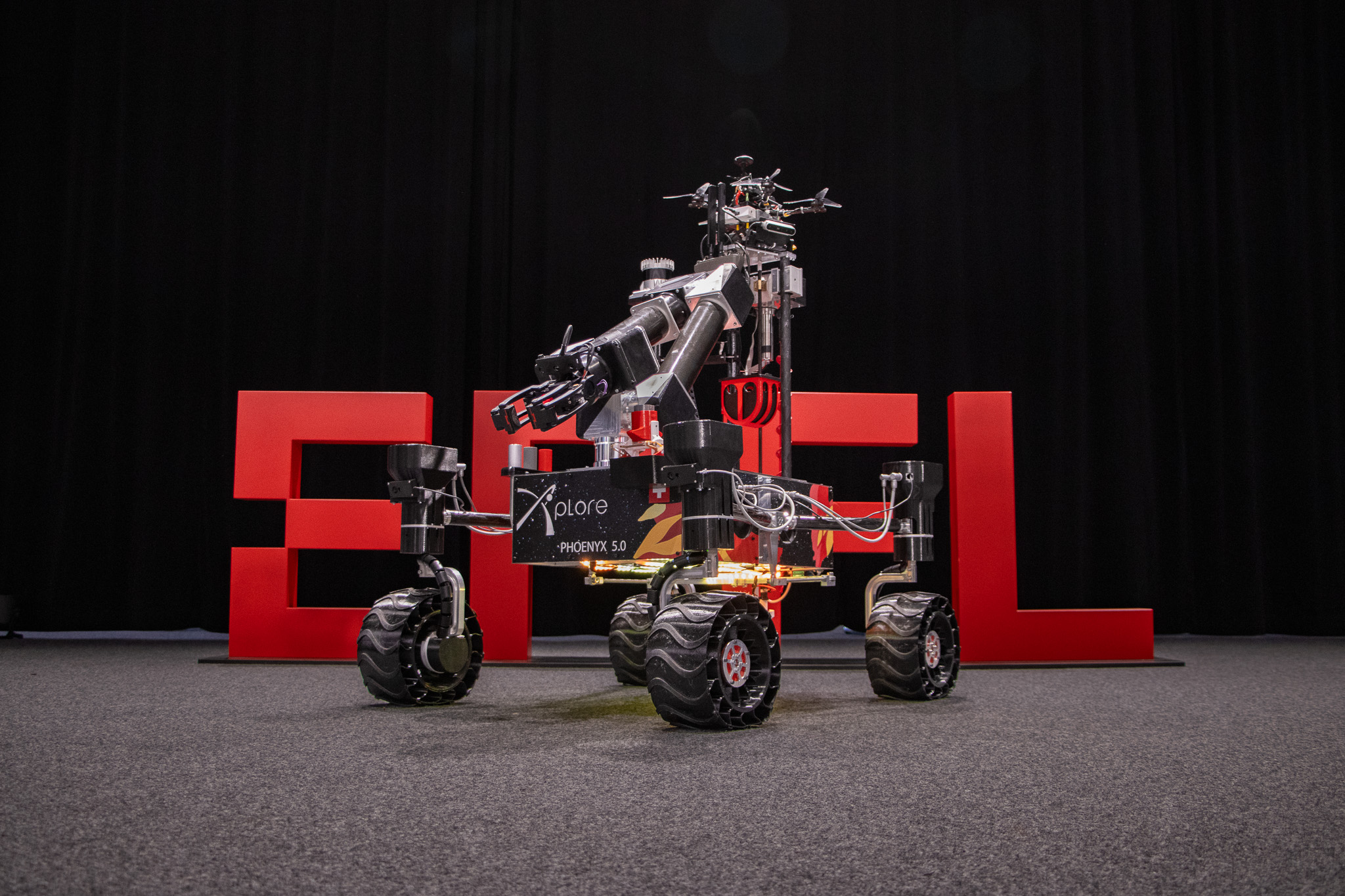
The flagship pole of EPFL Xplore, dedicated to build world-class Rovers & Drones to compete in the European Rover Challenge.
Our Mission
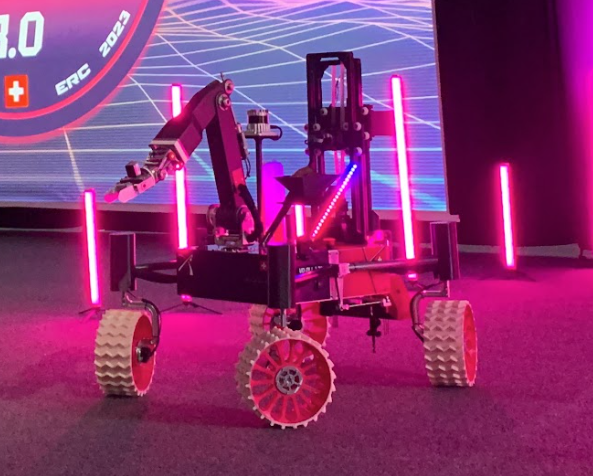
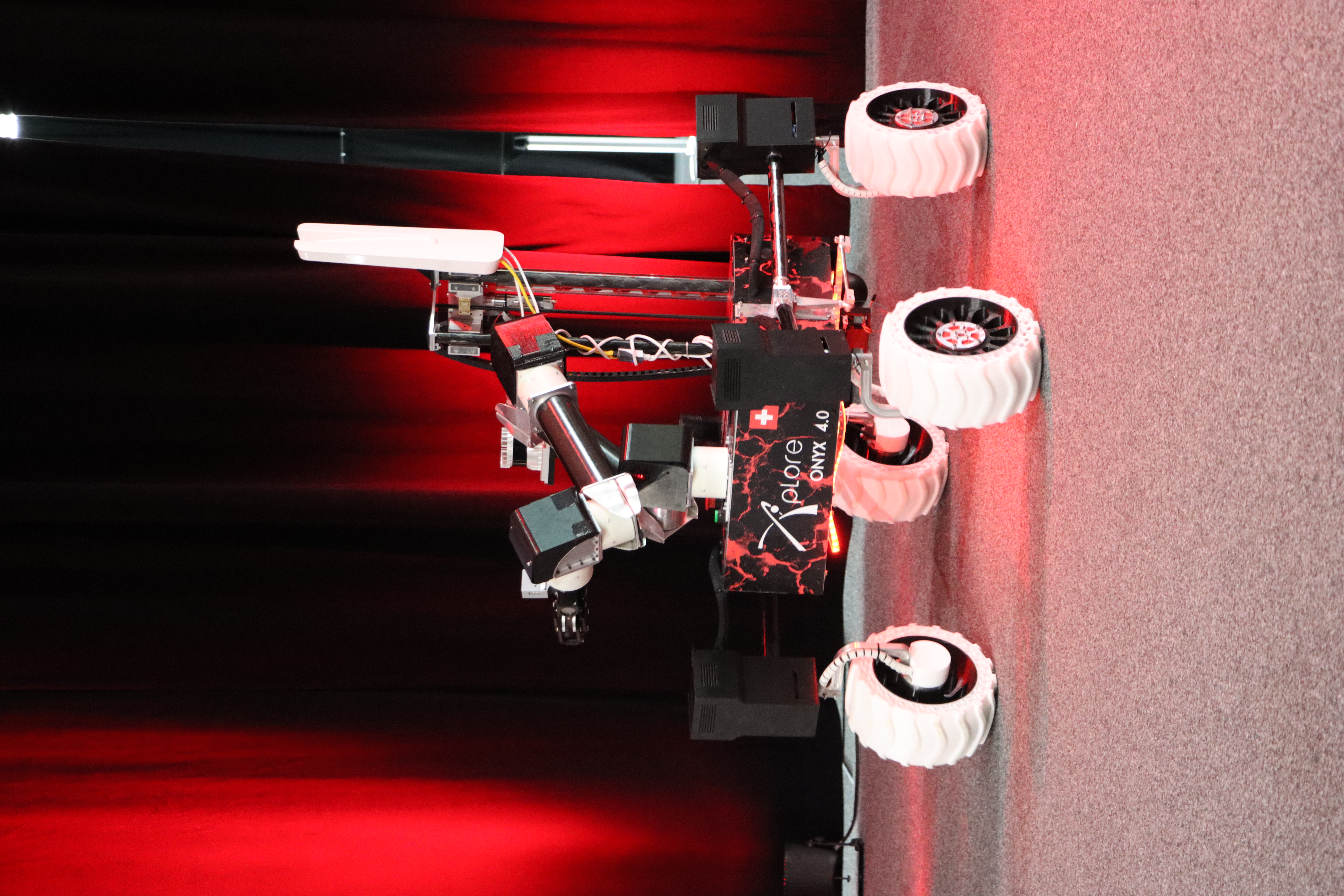
Since 2020, EPFL Xplore has participated in 5 consecutive editions of the European Rover Challenge, building a new Rover and Drone each year. This pole brings together students from across disciplines to design, build, and operate autonomous robots, tackling real-world tasks in engineering.
Discover Each Edition
Dive into the journey of each year's competition: from rover designs and subsystems to photos, videos, and final rankings.


What is the European Rover Challenge?
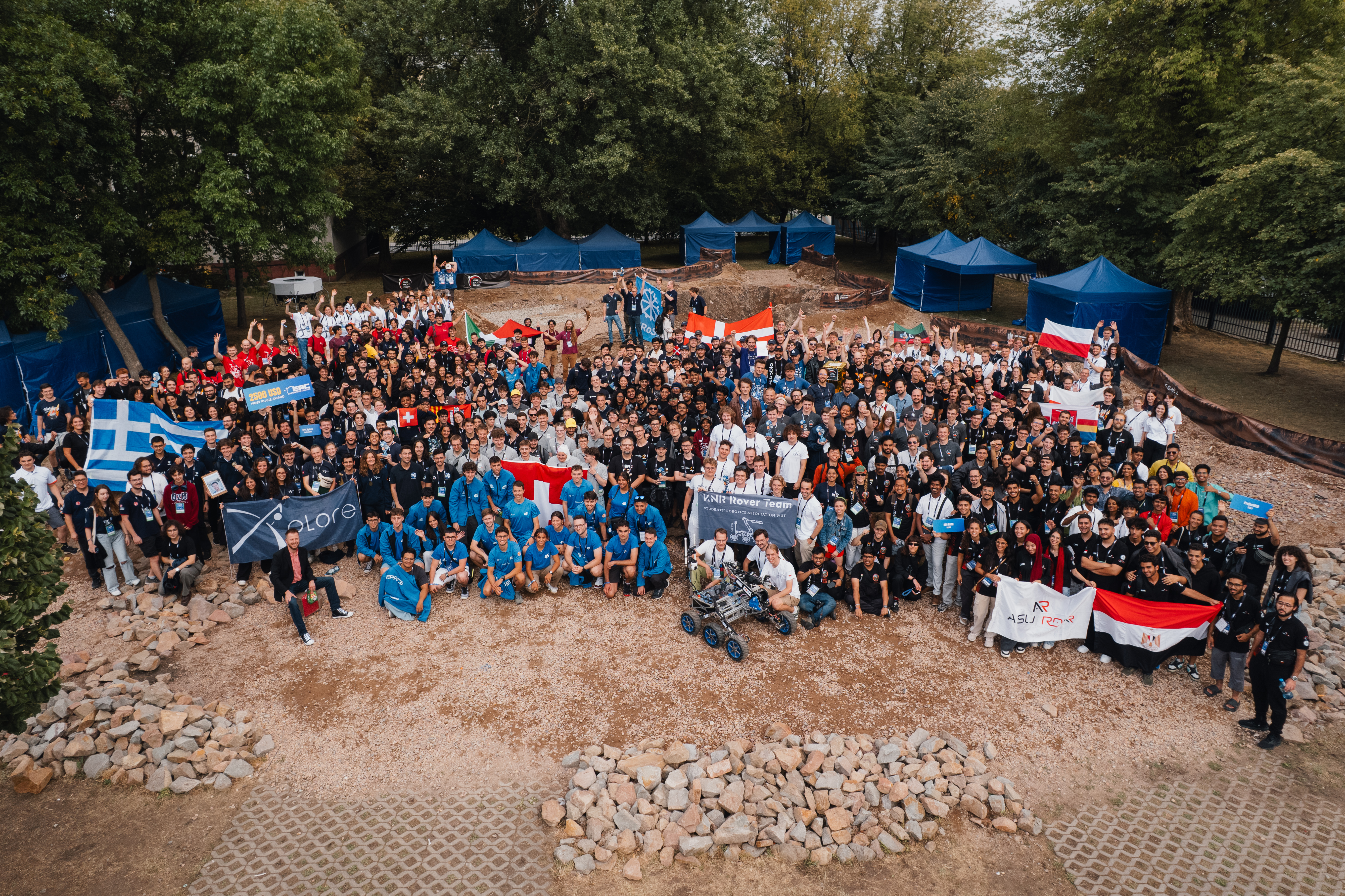
The European Rover Challenge (ERC) is a prestigious space robotics competition in Europe. Each year, university teams from around the world gather in Poland to compete with their Rovers & Drones in a series of challenging tasks that simulate real Martian exploration missions.
Competition Format
- The ERC is part of the European Space Foundation
- Held annually in Krakow, Poland
- Open to university teams worldwide
- Teams must pass an extensive design & documentation phase before qualifying
Main Phases
- Documentation Phase – Teams unveil Rovers & Drones by many reports
- On-site Phase – Around 20 teams compete in person at the ERC's Mars Yard
- Technical reviews, interviews, and live demonstrations are held during the event
Mission Tasks
- Navigation Task – Autonomous traversal across rocky terrain
- Drone Task – Autonomous Flights and Objects Detection
- Science Task – Soil analysis and geological hypothesis
- Maintenance Task – Operating switches and objects using a Robotic Arm
- Presentation Task – Explain engineering & management decisions to a jury
Scoring & Awards
- Each task is scored independently
- Top prizes for tasks
- Final rankings reflect overall performance across all categories
Why ERC Matters
The ERC is more than a competition — it’s a proving ground for the next generation of space engineers. Teams are evaluated on both technical excellence and team dynamics, pushing students to solve real-world problems under pressure. It prepares participants for careers in space robotics.